
Why Regular Oil Changes Are Crucial
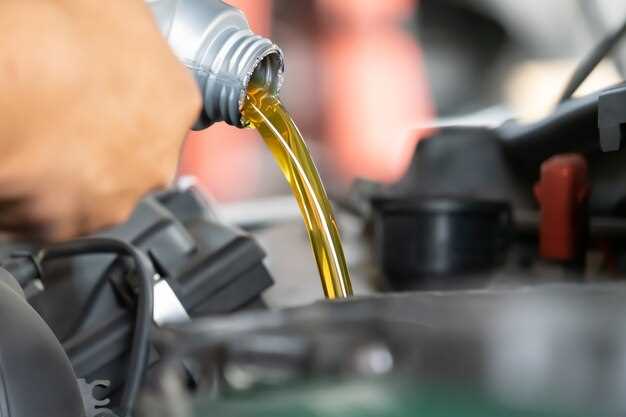
Regular oil changes are vital for the longevity and performance of your vehicle. The oil in your engine is responsible for lubricating its moving parts, reducing friction and preventing overheating. Over time, oil can degrade, losing its effectiveness and leading to increased wear and tear on engine components. By prioritizing regular oil changes, you extend the life of your engine and ensure it runs smoothly.
Oil acts as the lifeblood of your vehicle, affecting its overall health and efficiency. When clean oil circulates through the engine, it helps maintain optimal temperatures and protects against harmful deposits. Conversely, when the oil becomes dirty and contaminated, it can lead to significant damage, including sludge buildup and reduced fuel efficiency. Regularly changing your oil is an essential practice for any car owner looking to optimize performance and safeguard their investment.
In summary, the change of oil in your vehicle is not just a routine maintenance task; it is a crucial step in ensuring the life and reliability of your engine. Neglecting this simple procedure can result in costly repairs down the road. Therefore, make it a priority to follow your manufacturer’s recommendations regarding oil change intervals to keep your vehicle in top condition.
Understanding the Role of Engine Oil in Longevity
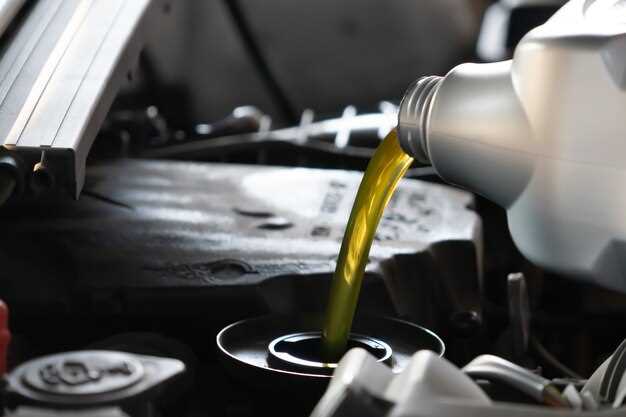
Engine oil plays a crucial role in maintaining the overall health and life of your vehicle. It acts as a lubricant, reducing friction between moving parts, which helps prevent wear and tear over time. A well-lubricated engine operates more efficiently, enhancing performance and extending the lifespan of critical components.
Regular oil changes are essential to ensure that the oil maintains its viscosity and protective properties. As oil ages, it breaks down and can become contaminated with dirt, debris, and combustion byproducts. This degradation reduces its ability to perform effectively, potentially leading to engine damage and decreased longevity.
Furthermore, engine oil assists in cooling the engine by dissipating heat generated during operation. Without adequate lubrication, the temperature within the engine can rise, causing overheating and potentially catastrophic failures. Thus, maintaining good oil quality and adhering to a regular change schedule is vital for preserving the life of your vehicle.
In summary, understanding the importance of engine oil and its timely changes can contribute significantly to the longevity of your vehicle, ensuring it remains reliable and efficient for years to come.
How Often Should You Schedule an Oil Change?
Scheduling regular oil changes is crucial for maintaining the life of your vehicle’s engine. Most manufacturers recommend changing the oil every 5,000 to 7,500 miles; however, this can vary depending on the type of oil used and driving conditions. Synthetic oils often allow for longer intervals between changes.
It’s essential to consider both your driving habits and the environment in which you drive. Frequent short trips, heavy traffic, or extreme weather conditions can necessitate more frequent oil changes. Additionally, if you often tow heavy loads or drive in mountainous terrain, your engine may require more frequent oil changes to ensure optimal performance.
Ultimately, checking your vehicle’s owner manual for specific recommendations is vital. Regular monitoring of your oil levels and condition can also provide insight into when to schedule an oil change. Maintaining this routine not only prolongs the life of your engine but also enhances the overall efficiency of your vehicle.
Identifying Signs That Your Vehicle Needs an Oil Change
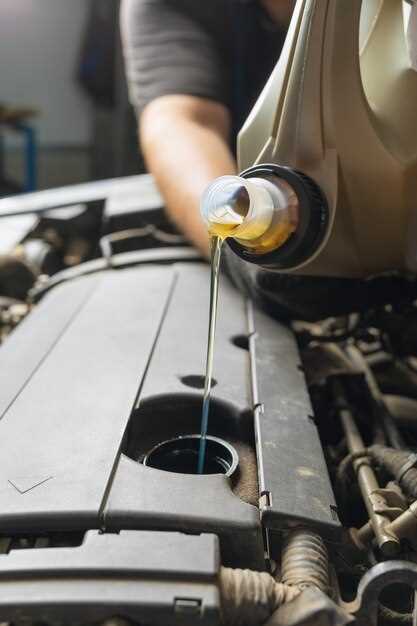
Regular oil changes are crucial for maintaining the health of your engine and ensuring the longevity of your vehicle. One of the first signs that your car may need an oil change is the appearance of the oil itself. If you notice that the oil appears dark and gritty instead of a clear, golden hue, it indicates that it is time for a change.
Another significant sign is the oil change light or warning message on your dashboard. Modern vehicles are equipped with sensors that monitor oil condition and notify the driver when it’s time to make a change. Ignoring this warning can lead to decreased engine performance and lower lifespan.
Engine noise is also a critical indicator. If you start to hear unusual sounds, such as knocking or ticking, it may suggest that the oil is unable to lubricate engine components effectively, possibly due to its degraded state. It’s vital to address this immediately to avoid further damage.
Additionally, if you find that your vehicle is consuming oil at a faster rate than usual, it may be a sign that the oil is breaking down or not functioning properly. Regular checks and timely changes can prevent potential issues related to oil consumption.
Lastly, consider the mileage since your last oil change. Many manufacturers recommend changes every 3,000 to 5,000 miles, but this can vary. Regularly tracking your mileage helps maintain a consistent oil change schedule and prolongs the life of your engine.