
When to Replace Your Timing Belt
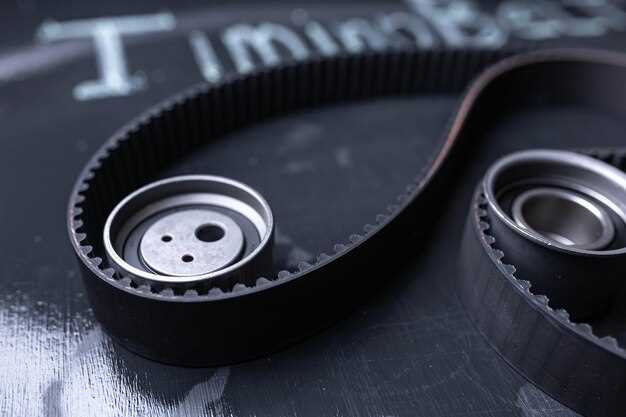
The timing belt is a vital component of your vehicle’s engine, playing a crucial role in ensuring that the engine’s valves open and close in sync with the pistons. Neglecting the maintenance and timely replacement of this critical belt can lead to severe engine damage and costly repairs. In this guide, we will explore essential tips for timing belt replacement and provide a comprehensive schedule to help you stay on track.
Understanding the signs of a failing timing belt is key to avoiding unexpected breakdowns. Common indicators include unusual engine noises, difficulty starting the engine, and visible wear on the belt itself. Regular inspections and adhering to a replacement schedule can maximize your engine’s lifespan and performance.
In the following sections, we will discuss various guidelines for identifying the right replacement intervals based on your vehicle’s make and model, as well as practical steps to ensure a successful timing belt change. Stay informed and proactive to keep your engine running smoothly.
Understanding Timing Belt Lifespan and Signs of Wear
The timing belt is a critical component in an engine, responsible for synchronizing the rotation of the crankshaft and camshaft. This ensures that the engine’s valves open and close at the correct times during each cylinder’s intake and exhaust strokes. Over time, the timing belt will naturally wear down, leading to potential engine problems if not addressed promptly.
Generally, the lifespan of a timing belt ranges from 60,000 to 100,000 miles, but this can vary based on the manufacturer’s recommendations and driving conditions. It is essential to consult your vehicle’s manual for specific guidance on when to replace the timing belt.
Signs of wear on the timing belt can manifest in several ways. One of the most common indicators is visible cracking or fraying on the belt’s surface. This damage usually results from prolonged exposure to heat and stress. Additionally, if you notice any unusual noises, such as squeaking or grinding, these may signal that the timing belt is slipping or misaligned.
Another critical aspect to watch for is a loss of engine performance. If the timing belt becomes worn or damaged, it can affect the engine’s timing, resulting in reduced power or efficiency. In some cases, an engine may fail to start altogether if the belt has broken or skipped a tooth.
Regular inspections and awareness of these signs can help prevent catastrophic engine failure. If you suspect that your timing belt is showing any signs of wear, it is crucial to have it examined by a qualified mechanic immediately.
Step-by-Step Process for Replacing a Timing Belt

Replacing a timing belt is a crucial maintenance task that should not be overlooked. Proper timing belt replacement helps prevent engine damage and ensures optimal performance. Follow these steps for a successful replacement.
1. Gather Necessary Tools and Parts
Before starting, collect all required tools, including a wrench set, socket set, torque wrench, and screwdrivers. Purchase a new timing belt, tensioner, and any additional components recommended for replacement, such as water pumps or gaskets.
2. Disconnect the Battery
For safety, disconnect the negative terminal of the battery. This prevents any electrical issues while working on the engine.
3. Remove Engine Components
To access the timing belt, you may need to remove several components. This typically includes the engine covers, accessory belts, and sometimes the radiator or cooling fan. Refer to your vehicle’s manual for specific instructions.
4. Align Timing Marks
Rotate the crankshaft to align the timing marks on the crankshaft and camshaft. This step is critical as misalignment can lead to engine malfunction after the new belt is installed.
5. Remove the Old Timing Belt
Once aligned, carefully loosen the tensioner and remove the old timing belt. Ensure that you note the routing of the old belt, as the new one must be installed in the same manner.
6. Install the New Timing Belt
Begin installing the new timing belt by routing it according to the marked path. Ensure the belt is snug against the gears but not overly tight to prevent premature wear.
7. Adjust Tensioner
With the new belt installed, reassemble the tensioner. Follow the manufacturer’s specifications for proper tension settings to ensure optimal performance.
8. Reassemble Engine Components
Carefully reinstall any components that were removed, ensuring that all bolts are tightened to the manufacturer’s specifications. This includes reattaching accessory belts, covers, and any other parts that were previously taken off.
9. Reconnect the Battery
Once everything is securely reassembled, reconnect the negative terminal of the battery. Double-check all connections for safety.
10. Run the Engine
Start the engine and listen for any unusual noises. Ensure that the timing belt operates smoothly and check for leaks. It’s advisable to take the vehicle for a short drive to confirm everything is functioning properly.
By following these steps, you can effectively replace your timing belt and maintain your engine’s health and performance.
Choosing the Right Timing Belt and Tools for Replacement
When it comes to timing belt replacement, selecting the right components and tools is crucial for ensuring the longevity and efficiency of your engine. The timing belt is a vital part that synchronizes the rotation of the crankshaft and camshaft, making its proper functionality essential for your vehicle’s performance.
First, focus on choosing a high-quality timing belt. Look for belts made from durable materials such as reinforced rubber or composite materials that can withstand various temperatures and stress conditions. Always opt for OEM (Original Equipment Manufacturer) parts or reputable aftermarket brands that meet or exceed OEM specifications. This will ensure that the replacement belt provides a proper fit and longevity.
Additionally, consider any other components that may need replacement during this process, such as the water pump, idler pulley, and tensioner. These parts work in conjunction with the timing belt and should be inspected for wear and damage. If they are nearing the end of their life cycle, it’s wise to replace them alongside the belt to prevent future breakdowns.
Next, gather the necessary tools for the timing belt replacement. A standard tool kit should include a socket set, wrenches, and screwdrivers. However, specific tools such as a timing belt tensioner tool and a torque wrench will ensure that you can properly adjust and secure the belt during installation. Make sure to consult your vehicle’s service manual for any specialized tools that may be required.
Lastly, prepare for the replacement by ensuring you have a clean workspace and all components within reach. Proper planning greatly reduces the likelihood of mistakes and ensures a smoother replacement process, ultimately extending the life of your vehicle’s engine components.