
Signs Your Wheels Need Alignment

Maintaining proper alignment of your vehicle’s wheels is crucial for ensuring safe driving, optimal tire performance, and overall vehicle longevity. Misalignment can lead to uneven tire wear, decreased fuel efficiency, and compromised handling. Recognizing the signs that indicate your wheels may need alignment is essential for any vehicle owner.
Common symptoms of misalignment include steering wheel vibrations, a vehicle that pulls to one side, and uneven tire wear patterns. If you notice your car drifts to the left or right without input from you, it’s a clear sign that alignment issues may be present. Additionally, if your steering wheel is off-center when driving straight, it further confirms that an alignment check is necessary.
Addressing wheel alignment promptly can prevent further damage to your tires and suspension system. By being aware of these critical signs, you can save time and money while ensuring a safer driving experience. Always consult a professional mechanic if you suspect any alignment issues in your vehicle.
Uneven Tire Wear Patterns Indicating Misalignment

One of the most telling signs that your vehicle’s wheels may require alignment is the presence of uneven tire wear patterns. When tires wear unevenly, it often indicates that the wheels are not aligned correctly, leading to improper contact with the road. This misalignment can cause specific areas of the tire to wear down faster than others, significantly reducing the lifespan of your tires.
Common uneven wear patterns include excessive wear on the inner or outer edges of the tires, known as cupping or scalloping, which can occur when the alignment is off. If you notice that the tread on one side of the tire is significantly lower than the other, this is a strong indication that an alignment check is necessary.
Another pattern to watch out for is feathering, where the edges of the tire tread feel rough or sharp to the touch. This occurs when the wheels are misaligned and can lead to a decrease in traction and an increase in road noise. Regularly inspecting your tires for these signs can help you detect alignment issues early, ensuring better performance and safety on the road.
In conclusion, if you observe any unusual wear patterns on your tires, it’s essential to address the potential wheel alignment problem promptly. Ignoring these signs can lead to more severe vehicle issues and increased costs over time.
Vehicle Pulling to One Side While Driving
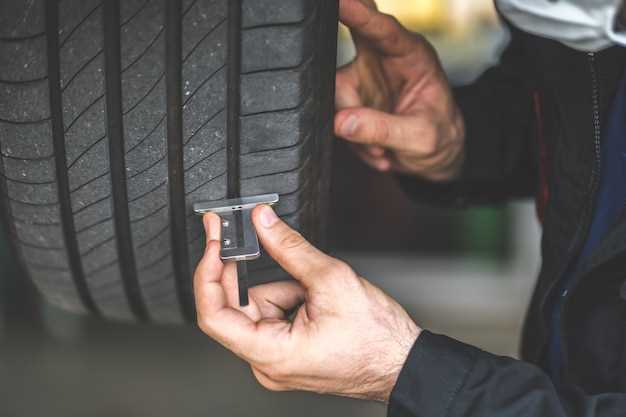
One of the most noticeable signs that your vehicle’s wheels may require alignment is when the car pulls to one side while driving. This issue is often a direct result of misaligned wheels, causing uneven tire wear and impacting overall vehicle handling. When you find yourself constantly adjusting the steering wheel to maintain a straight path, it’s time to pay attention.
The pulling sensation can become more pronounced at higher speeds, making it difficult to drive straight and increasing the risk of losing control. Additionally, if you notice that your steering wheel is off-center even when you are driving straight, it is another indicator of misalignment. Correct alignment ensures that all four wheels are positioned properly, allowing for balanced pressure on tires and promoting even tread wear.
Ignoring this warning sign can lead to further complications, including compromised safety and costly repairs. To prevent potential accidents and ensure optimal performance, it is advisable to regularly check for signs of wheel misalignment and address any issues promptly.
Steering Wheel Off-Center During Straight Travel
One of the noticeable signs that your vehicle may require alignment is when the steering wheel appears off-center while driving straight. Ideally, when traveling on a flat and even surface, the steering wheel should be positioned straight, allowing the driver to maintain proper control without having to adjust constantly.
An off-center steering wheel not only indicates possible misalignment but can also lead to uneven tire wear and compromised handling. When the alignment is off, your vehicle may pull to one side, making it necessary for the driver to hold the steering wheel at an angle to counteract this pull.
It’s essential to pay attention to this symptom because it can potentially escalate into more significant issues, including tire degradation and impaired steering responses. If you notice the steering wheel isn’t centered, it is advisable to consult a professional technician to assess the alignment and make the necessary adjustments. Proper alignment ensures a safer driving experience and prolongs the life of your tires.