
How to Fix Black Smoke from Exhaust

The issue of black smoke emissions from vehicles has become increasingly prevalent, raising concerns among drivers and environmentalists alike. This phenomenon is often a direct indicator of an underlying problem within the engine or fuel system. The dark, sooty exhaust not only signifies inefficiency but can also contribute to environmental pollution.
Identifying the source of black smoke is crucial for any vehicle owner looking to maintain optimal performance and reduce harmful emissions. Factors such as a malfunctioning fuel injector, a clogged air filter, or issues with the turbocharger can lead to excessive fuel burning and result in black smoke exiting the exhaust system. Understanding these causes is the first step toward effective resolution.
By addressing the underlying issues that lead to black smoke emissions, you can enhance your vehicle’s performance while minimizing its ecological footprint. Taking proactive measures not only benefits your car but also supports broader efforts toward cleaner air and a healthier environment.
Identifying Common Causes of Black Smoke in Vehicle Exhaust
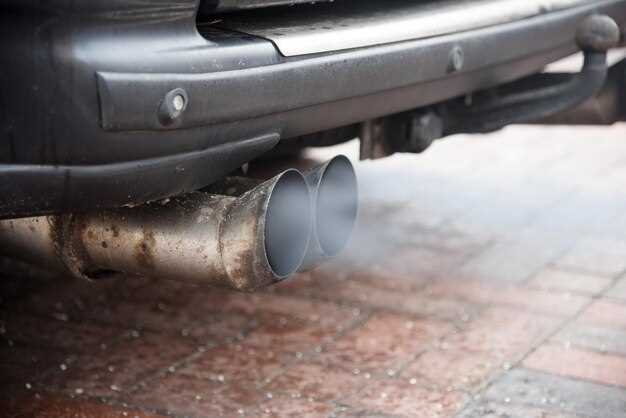
Black smoke coming from a vehicle’s exhaust is a clear indication of an underlying issue that needs attention. It typically points to an incomplete combustion process in the engine. Identifying common causes is essential for effective resolution.
One of the primary reasons for black smoke emissions is an excessively rich fuel mixture. This occurs when too much fuel is injected into the combustion chamber, leading to unburned fuel exiting through the exhaust. Poor fuel quality or a malfunctioning fuel injector can contribute to this issue.
A malfunctioning air intake system can also be responsible for black smoke. If the air filter is clogged, it restricts airflow, causing an imbalance in the air-fuel mixture. Consequently, the engine may burn more fuel than necessary, resulting in an increase in black smoke emissions.
Additionally, issues with the turbocharger can lead to black smoke as well. If the turbocharger is failing, it may not provide the correct amount of air to the engine, affecting the combustion process and resulting in unburned fuel.
Another common culprit is worn-out engine components, such as piston rings or valve seals. These components can allow fuel to leak into the combustion chamber, again leading to incomplete combustion and the emission of black smoke.
Lastly, problems within the engine management system, including malfunctioning sensors, can disrupt the fuel and air mixture, contributing to excessive black smoke. Regular diagnostics can help identify these issues early on.
Step-by-Step Guide to Diagnosing Engine Problems Linked to Black Smoke
Black smoke emissions from your vehicle can indicate serious engine issues that require immediate attention. This guide provides a systematic approach to diagnosing the problem, helping you pinpoint the source of the issue effectively.
Step 1: Visual Inspection
Begin by conducting a thorough visual inspection of the exhaust system. Look for any visible signs of damage or leaks, which could contribute to the emission of black smoke. Pay attention to the condition of hoses and connections, as well as any signs of oil or fuel leakage.
Step 2: Check the Air Filter
A clogged or dirty air filter can restrict airflow to the engine, leading to an overly rich fuel mixture. Remove the air filter and inspect it for dirt or debris. If it appears obstructed, replace it to ensure proper airflow.
Step 3: Evaluate Fuel System Components
Examine fuel injectors and the fuel pump. Malfunctioning injectors can cause excessive fuel delivery, resulting in black smoke. Use a diagnostic tool to assess injector performance and check for any error codes related to the fuel system.
Step 4: Inspect the Engine’s Compression
Low engine compression can lead to incomplete combustion, which increases smoke production. Perform a compression test to evaluate the health of the engine cylinders. If compression readings are below specification, further investigation will be necessary.
Step 5: Check the Engine Timing
Incorrect engine timing may affect fuel combustion and lead to black smoke emissions. Ensure that the timing belt or chain is aligned according to the manufacturer’s specifications.
Step 6: Review Engine Control Module (ECM) Data
Utilize an OBD-II scanner to access the ECM data. Look for any trouble codes, particularly those related to fuel trim adjustments. These codes can provide insights into potential issues that may be causing the abnormal emissions.
Step 7: Consult a Professional
If the source of the issue remains unclear after following these steps, seek assistance from a qualified mechanic. They can perform advanced diagnostics and have the tools necessary to address complex engine problems linked to black smoke.
Practical Solutions and Repairs for Reducing Black Smoke Emissions
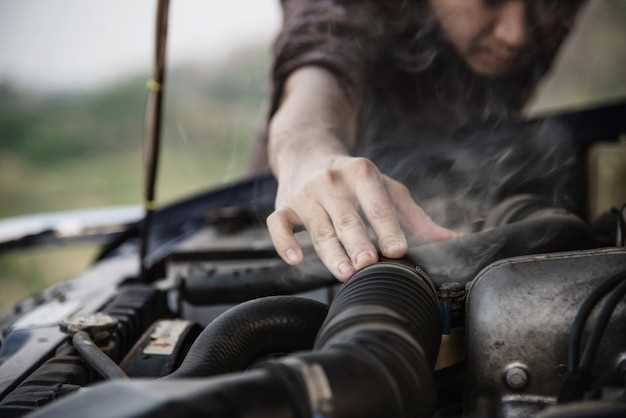
Black smoke emissions from your vehicle’s exhaust can indicate incomplete combustion, often leading to an increase in pollutants and reduced fuel efficiency. To tackle this issue effectively, several practical solutions and repairs can be implemented.
First, regularly check and replace the air filter. A dirty air filter can restrict airflow to the engine, resulting in a richer fuel mixture and incomplete combustion, which leads to black smoke. Ensure that the filter is clean to promote optimal air intake.
Next, consider examining and cleaning the fuel injectors. Clogged or malfunctioning injectors can cause an improper fuel spray pattern, contributing to excessive fuel delivery and black smoke. Using a fuel injector cleaning kit or seeking professional cleaning services can restore proper function.
Inspect the turbocharger (if equipped) for any signs of failure. A malfunctioning turbo can lead to poor air supply to the engine, resulting in less efficient combustion and black smoke emissions. Repair or replacement of the turbocharger may be necessary to resolve this issue.
Another crucial step is to evaluate the engine’s fuel system. Ensure that fuel pressure is within specified limits and that the fuel is of good quality. Using low-quality fuel can lead to poor combustion and an increase in black smoke. Consider switching to a higher-grade fuel to see if emissions improve.
Additionally, check the engine timing and ensure it is properly calibrated. Incorrect timing can lead to misfires, causing excess fuel to enter the combustion chamber. Adjusting the timing can help achieve a more efficient combustion process, reducing smoke emissions.
Lastly, if the issue persists, it may be necessary to conduct a comprehensive assessment of the engine’s overall health. Look for signs of wear in components such as piston rings, cylinder walls, or valves, as these can contribute to oil consumption and smoke emissions. Addressing any mechanical failures will help in reducing black smoke from the exhaust.