
How to Check Tire Pressure for Safe Driving
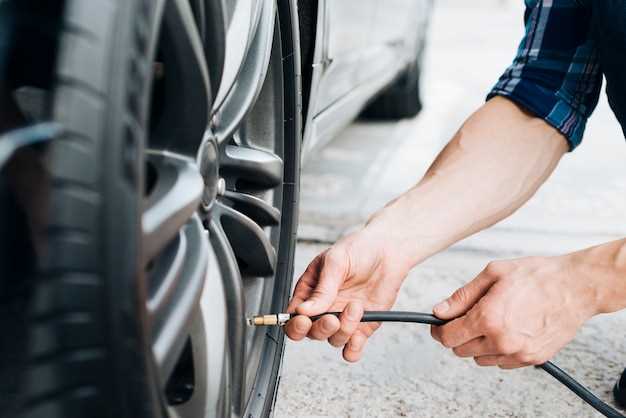
Maintaining the correct tire pressure is essential for ensuring your vehicle’s safety and performance. Under-inflated or over-inflated tires can lead to a variety of issues, from decreased fuel efficiency to increased risk of blowouts. By regularly checking and adjusting your tire pressure, you can enhance your driving experience and extend the life of your tires.
The optimal tire pressure varies by vehicle and is typically specified in the owner’s manual or on a sticker inside the driver’s side door. It is crucial to understand that tire pressure should be checked when the tires are cold, as driving heats up the tires and can give a false reading. Knowing how to properly check your tire pressure is a vital skill for any vehicle owner.
In this article, we will guide you through the steps to accurately check your tire pressure, highlighting the importance of maintaining it at the manufacturer’s recommended level. By following these simple practices, you can ensure a safer driving experience and contribute to the overall health of your vehicle.
Understanding Recommended Tire Pressure for Your Vehicle
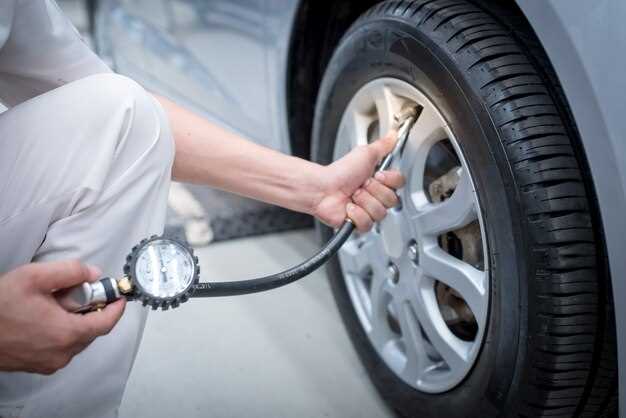
Proper tire pressure is crucial for your vehicle’s performance, fuel efficiency, and, most importantly, safety. Each vehicle comes with a manufacturer-recommended tire pressure that ensures optimal contact between the tires and the road. This specification can usually be found in the owner’s manual or on a sticker located on the driver’s side door jamb.
Many drivers underestimate the impact of proper tire inflation. Under-inflated tires can lead to reduced fuel efficiency, increased tire wear, and a higher risk of blowouts. Conversely, over-inflated tires can result in reduced traction, making your vehicle harder to control, especially in adverse weather conditions.
To maintain safety, it’s essential to check your tire pressure regularly, at least once a month and before any long trips. Use a reliable tire pressure gauge to measure the current pressure when the tires are cold, as heat generated from driving can increase tire pressure. Adjust according to the manufacturer’s recommendations to ensure your tires are neither under- nor over-inflated.
In summary, understanding and maintaining the recommended tire pressure is vital for vehicle safety, enhancing performance, and prolonging tire life. Always prioritize proper inflation and regularly check to enjoy a safer driving experience.
Steps to Accurately Measure Tire Pressure
To ensure your vehicle’s safety and optimal performance, it is essential to check your tire pressure regularly. Follow these steps to accurately measure your tire pressure.
First, gather the necessary tools: a reliable tire pressure gauge and, if available, an air compressor. Make sure to check the tire pressure when the tires are cold, which means at least three hours after driving or before driving for over a mile.
Next, locate the recommended tire pressure for your vehicle. This information can usually be found on a sticker inside the driver’s door or in the owner’s manual. Ensure you know the correct pressure needed for each tire, including the spare if applicable.
Remove the valve cap from the tire you wish to check. Place the tire pressure gauge firmly onto the valve stem. Press down quickly to avoid air escaping and ensure an accurate reading. Some gauges will provide a digital display, while others may have a dial or a stick that pops out.
Take note of the pressure reading displayed on the gauge. Compare this value to the recommended tire pressure for your vehicle. If the measurement is lower than the recommended level, it’s crucial to add air using your air compressor or at a nearby gas station.
If the pressure is higher than the recommended range, simply release some air until you reach the proper level. Always check the pressure of all tires, including the spare, to ensure comprehensive safety.
After adjusting, replace the valve caps securely to prevent dirt from entering the valve. Regularly maintaining and monitoring tire pressure can enhance fuel efficiency and extend tire life while optimizing overall vehicle safety.
Common Mistakes to Avoid When Checking Tire Pressure
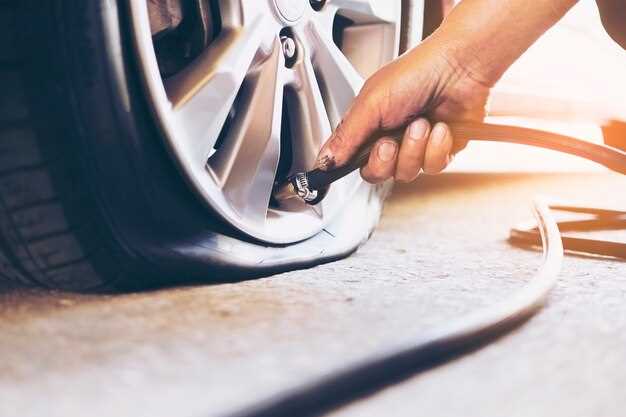
When it comes to ensuring tire safety, accurately checking tire pressure is crucial. However, there are several common mistakes that many individuals make during this process. First, a common oversight is failing to check tire pressure when the tires are cold. Tire pressure can increase as the tires heat up from driving, leading to inaccurate readings if checked immediately after use.
Another mistake involves neglecting to use a reliable tire pressure gauge. Inaccurate or broken gauges can provide false readings, leading to either under-inflation or over-inflation, both of which compromise safety. It’s important to invest in a quality gauge and verify its accuracy periodically.
Furthermore, ignoring the manufacturer’s recommended pressure levels is a frequent error. Each vehicle has specific requirements, and using incorrect pressure levels can affect handling, tire wear, and fuel efficiency. Always refer to the vehicle’s owner manual or the sticker typically found on the driver’s side door jamb for the correct specifications.
Many people also forget to check the spare tire. A flat spare can be just as dangerous as under-inflated tires when emergencies arise. Regularly checking the pressure of all tires, including the spare, is essential for overall safety.
Lastly, some individuals do not take environmental factors into account. Changes in temperature can significantly affect tire pressure. For instance, colder weather can decrease pressure, while warmer temperatures can increase it. Regular monitoring is recommended, especially during seasonal changes.