
How to Detect Worn Shock Absorbers

Proper vehicle suspension is critical for ensuring a smooth ride and optimal handling. Among the essential components of the suspension system are the shock absorbers, which play a vital role in controlling vehicle movement. Over time, these components can wear out, leading to a host of issues that affect both safety and comfort.
Identifying signs of worn shock absorbers is essential for maintaining your vehicle’s performance. Symptoms may include excessive bouncing, uneven tire wear, and instability when cornering. Recognizing these indicators early on can prevent further damage and enhance the overall driving experience.
In this article, we will delve into the principal signs of worn shock absorbers, providing you with the knowledge needed to assess your vehicle’s suspension system effectively. By understanding these warning signs, you can take timely action to ensure that your vehicle remains safe and enjoyable to drive.
Recognizing Physical Symptoms of Damaged Shock Absorbers
The condition of your vehicle’s suspension system heavily relies on the effectiveness of its shock absorbers. When these components begin to wear, several physical symptoms can manifest, indicating the need for inspection or replacement.
One of the most noticeable signs is excessive bouncing. If your vehicle continues to bounce after hitting a bump, it suggests that the shock absorbers are unable to effectively dampen the impact, leading to an unstable ride.
Another common symptom is a noticeable decrease in ride comfort. You may experience a harsher ride, feeling every bump and dip in the road, which suggests that the shock absorbers are no longer functioning correctly.
Inspecting for fluid leaks is crucial as well. Worn or damaged shock absorbers may leak hydraulic fluid, which can be seen pooling around the shocks themselves. This fluid loss dramatically affects their performance and needs immediate attention.
Uneven tire wear is also an indicator of failing shock absorbers. When these components do not exert uniform pressure on the tires, it can lead to an uneven tread pattern, which affects overall handling and safety.
Additionally, if you notice that your vehicle sways or rolls excessively during turns, this may indicate insufficient damping from the shock absorbers, compromising stability and control.
Lastly, unusual noises such as clunking or rattling sounds while driving over bumps can point to damaged or deteriorating shock absorbers. These sounds are often a result of loose components or internal damage within the shocks.
Being attentive to these physical symptoms can help identify worn shock absorbers early, allowing for timely maintenance and ensuring safer driving conditions.
Conducting a Road Test to Evaluate Suspension Performance
To assess the condition of your vehicle’s suspension, performing a road test is essential. This process allows you to identify potential issues related to worn shock absorbers and overall suspension performance.
Start by driving your vehicle on a variety of road surfaces, including smooth highways and bumpy back roads. Pay close attention to how the vehicle responds to different terrains. If you notice excessive bouncing or swaying, it may indicate that the shocks are no longer effectively dampening movements.
During the test, conduct a few specific checks. First, observe how the vehicle handles turns. If it feels unstable or leans excessively, the suspension may be compromised. Additionally, brake firmly to evaluate any changes in the front-end behavior; if the vehicle dives forward significantly, this points towards weakened shock performance.
Another essential check involves listening for abnormal noises. Clunks or rattles during bumps can signal failing shock absorbers or damaged suspension components. Pay attention to vibrations felt in the steering wheel or chassis, as these may point to alignment issues or worn parts.
Finally, take note of the overall ride quality. A comfortable ride is a sign of a healthy suspension. If the ride is harsh or overly jarring, it could indicate that the shocks need replacement. By being observant during this road test, you can identify signs of wear and take necessary actions to maintain your vehicle’s performance.
Performing Visual Inspections for Shock Absorber Issues
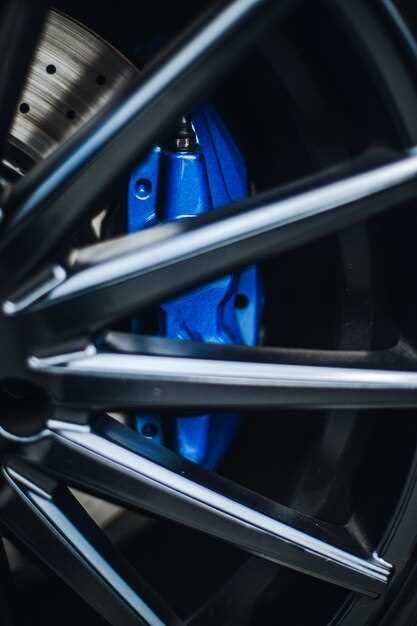
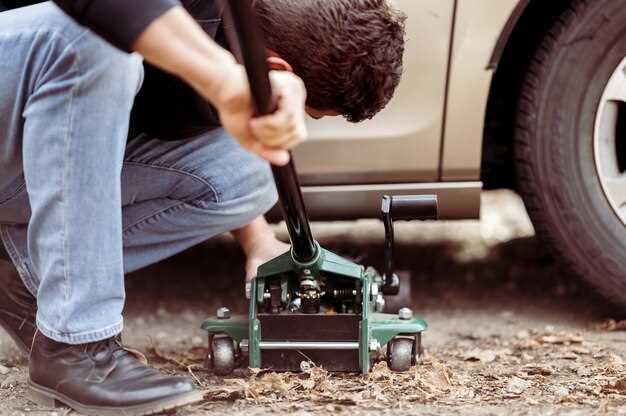
Regular visual inspections of your vehicle’s suspension system are crucial for identifying potential issues with shock absorbers. Begin by safely elevating the vehicle and ensuring it is stable. This provides access to the suspension components, making it easier to check for any visible damage or wear.
Start examining the shock absorbers themselves. Look for signs of leaking fluid, which often indicates that the seals are worn and the shock may need replacement. Any dampness or wetness around the shock body is a telltale sign of fluid loss.
Next, inspect the mounting points and bushings for any deterioration. Worn or cracked bushings can compromise the proper function of the shock absorber and the overall suspension system. Ensure that all brackets and bolts are secure, as loose components can lead to unstable handling.
Pay attention to the condition of other suspension parts, as they work in conjunction with the shock absorbers. Check the springs for any signs of sagging or damage, which could affect the performance of the shocks. Look for any abnormal metal-to-metal contact or misalignment, as these issues can cause premature wear on the shocks.
Finally, perform a bounce test by pushing down on each corner of the vehicle. If the vehicle bounces more than twice before settling, it indicates that the shock absorbers may be worn and need further evaluation or replacement. Taking the time to perform these visual checks regularly can help maintain the efficiency and safety of your vehicle’s suspension system.