
How to Replace a Blown Fuse Safely

Replacing a blown fuse is a common task that many homeowners encounter. Understanding the importance of safety while performing this task is crucial. A fuse serves as a safety device in electrical circuits, protecting your appliances and wiring from damage caused by overloads or short circuits. When a fuse blows, it interrupts the flow of electricity, preventing potential hazards. Knowing the right replacement methods can help you restore power safely.
Before diving into the replacement process, it is essential to gather the appropriate tools and materials. Ensure you have the correct type of replacement fuse, as using an incompatible one can lead to further electrical issues. Always check the specifications of your electrical system to determine the correct amperage required for your replacement fuse. This knowledge not only aids in the safe replacement but also ensures the longevity of your electrical components.
Safety should always come first when replacing a blown fuse. Make sure to turn off the electricity at the service panel before proceeding with any work. This step minimizes the risk of electric shock and allows for a safe environment to work in. By following these guidelines and understanding the significance of proper fuse replacement, you can confidently address electrical issues within your home.
Identifying the Cause of the Blown Fuse
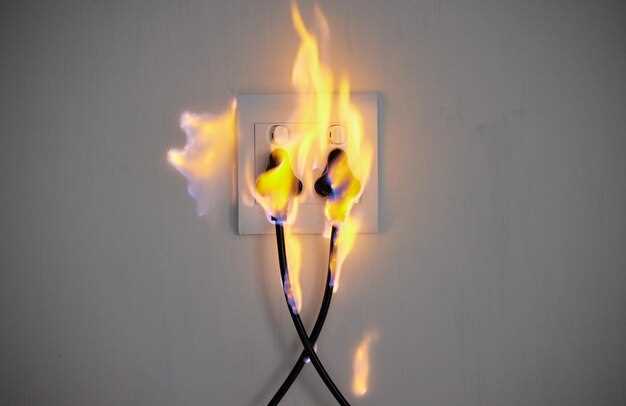
When a fuse blows, it can be frustrating and inconvenient. The first step in addressing this issue is to identify the root cause, as simply replacing the fuse without understanding the problem may lead to a recurrence. Common causes of blown fuses include overloaded circuits, short circuits, and faulty appliances.
Overloaded Circuits: One of the most typical reasons for a blown fuse is an overloaded circuit. This occurs when too many devices are drawing power simultaneously, exceeding the circuit’s capacity. To avoid future replacements, assess the total wattage of connected appliances and redistribute the load across multiple circuits.
Short Circuits: A short circuit happens when the hot wire touches a neutral wire, creating an unintended pathway for electricity. This condition can result from damaged insulation or malfunctioning devices. Inspect wires and appliances for visible damage, and consult a professional if necessary. Ensuring that your devices are in good condition can prevent repeated incidents.
Faulty Appliances: Sometimes, the blown fuse points to a specific appliance. If a fuse blows immediately after a device is plugged in, that appliance may be defective. Unplug all devices and replace the fuse. Then, reconnect devices one at a time to identify the culprit. This careful approach helps isolate problematic equipment, making it easier to seek repairs or replacements.
By taking the time to identify the cause of a blown fuse, you can not only ensure safer operation of your electrical system but also prevent the inconvenience of frequent replacements. Understanding these causes will help maintain the integrity of your electrical setup and enhance overall safety.
Choosing the Right Replacement Fuse

When replacing a blown fuse, it’s crucial to select the correct replacement to ensure safety and functionality. Start by identifying the rating of the original fuse; this includes both the amperage and voltage specifications. Using a fuse with a higher amperage rating can lead to potential hazards, as it may not blow during overloads, risking damage to your electrical system.
Next, examine the type of fuse you need. There are various types, such as ceramic, glass, and automotive fuses. Each type serves different applications, so it’s essential to match the replacement fuse with the original specifications. Look for any markings on the blown fuse which can provide crucial information about its type and rating.
Additionally, consider the size and shape of the replacement fuse. Fuses must fit securely in their holders; if the dimensions differ, it could lead to improper function or increased risk of failure. Always ensure that the replacement fuse has the same dimensions as the blown one.
Finally, opt for fuses from reputable manufacturers. Quality is critical in ensuring reliability and safety. Cheap or counterfeit fuses may not perform to standard, leading to potential electrical fires or equipment damage. Always prioritize well-reviewed brands when purchasing a replacement fuse.
Step-by-Step Guide to Safe Fuse Replacement
Replacing a blown fuse can be a straightforward task if done correctly. Follow this step-by-step guide to ensure a safe and efficient replacement.
-
Identify the Blown Fuse:
Check the fuse box for any signs of damage or a blown fuse. A blown fuse typically has a broken wire or a darkened appearance.
-
Turn Off the Power:
Before proceeding, turn off the main power switch to avoid electrical hazards. Ensure that all devices connected to the circuit are unplugged.
-
Remove the Blown Fuse:
Carefully unscrew or pull out the blown fuse. Use insulated gloves to protect yourself from any potential electrical shock.
-
Select the Correct Replacement Fuse:
Check the voltage and amperage rating on the blown fuse. Always use a replacement fuse that matches these specifications to prevent further issues.
-
Install the New Fuse:
Insert the new fuse into the designated slot. Ensure a snug fit to avoid any loose connections.
-
Restore Power:
Turn the main power switch back on. Check for proper function of the circuit and connected devices.
-
Monitor the Circuit:
After replacing the fuse, keep an eye on the circuit for any unusual behavior. If the replacement fuse blows again quickly, consult a professional electrician.
By following these steps, you can safely replace a blown fuse and ensure your electrical system runs smoothly.