
Signs Your Catalytic Converter Needs Replacement

The catalytic converter is a vital component of your vehicle’s exhaust system, playing a crucial role in reducing harmful emissions. Understanding the signs that indicate it may need replacement can help you maintain your vehicle’s performance and comply with environmental regulations. Ignoring these signs can lead to increased pollution and even engine damage, making it essential to stay informed.
One of the most prevalent issues to watch for is a noticeable decrease in engine performance. If you experience sluggish acceleration or find that your vehicle struggles to maintain speed, it could mean the catalytic converter is clogged or failing. Additionally, unusual noises emanating from the exhaust can serve as a warning. A rattling sound, in particular, may signal the breakdown of internal components.
Another significant indicator is a warning light on your dashboard, often resembling an engine. This light may illuminate due to various reasons, including problems with your catalytic converter. If your vehicle fails an emissions test, it is another strong sign that replacement may be necessary. Addressing these issues promptly can save you from expensive repairs down the line and ensure your vehicle runs efficiently.
Decreased Engine Performance and Power Loss
One of the most common signs of a failing catalytic converter is a noticeable decrease in engine performance and power loss. This issue can arise due to several factors related to the converter’s function.
When a catalytic converter becomes clogged or damaged, it restricts the flow of exhaust gases, leading to a buildup of pressure in the exhaust system. This can result in:
- Reduced acceleration and sluggish responsiveness.
- Uneven engine idling or stalling during driving.
- Increased fuel consumption as the engine works harder to compensate for the restricted flow.
Additionally, engine performance may be affected by:
- Decreased horsepower and torque.
- Poor throttle response, making it difficult to maintain speed.
- Potential overheating of the engine due to improper exhaust flow and increased backpressure.
Ultimately, if you experience any of these symptoms, it is crucial to have your catalytic converter inspected. Timely intervention can prevent further damage to the engine and help restore optimal performance.
Unusual Noises and Smells from the Exhaust System
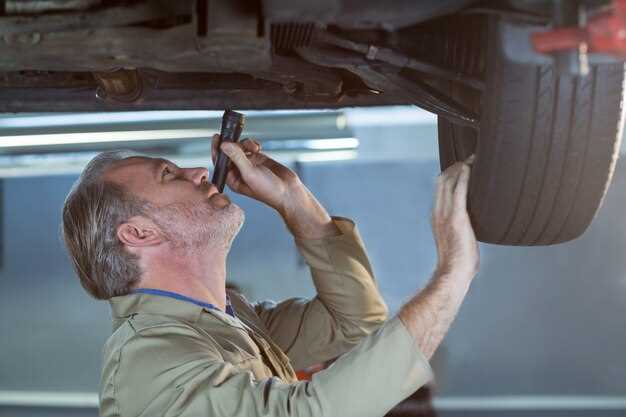
One of the key indicators that your catalytic converter may need replacement is the presence of unusual noises emanating from the exhaust system. If you hear loud rumbling, hissing, or even a rattling sound while driving, these could be signs of a failing converter. Such noises often occur due to internal damage or clogs that disrupt the normal exhaust flow.
In addition to noises, strong odors can also signal issues with the catalytic converter. A rotten egg smell, which is often associated with sulfur, indicates that your converter is not functioning properly. This unpleasant odor suggests that the conversion process of harmful gases is being compromised, potentially leading to greater emissions and engine trouble.
If you notice both atypical sounds and foul smells, it’s essential to have your exhaust system inspected. Ignoring these symptoms can lead to more severe engine damage and costly repairs. Addressing catalytic converter issues early can ensure your vehicle runs smoothly and efficiently.
Check Engine Light and Diagnostic Codes Related to Emissions
The Check Engine Light (CEL) is a crucial indicator that alerts drivers to potential issues within the vehicle’s systems, particularly those related to emissions. When this light illuminates, it often signifies the need for further investigation, including potential problems with the catalytic converter.
Many modern vehicles are equipped with onboard diagnostic systems that generate diagnostic trouble codes (DTCs). These codes can provide valuable insight into the specific issues affecting emissions performance. For example, codes such as P0420 or P0430 typically indicate poor catalytic converter efficiency, which may necessitate its replacement.
Reading and interpreting these diagnostic codes using an OBD-II scanner is essential for identifying whether the catalytic converter is functioning properly. A code indicating a failed converter points to a need for replacement, especially if accompanied by symptoms like reduced engine performance, increased exhaust emissions, or unusual noises from the exhaust system.
Ignoring the Check Engine Light or failing to address associated diagnostic codes could lead to more serious mechanical issues, reduced fuel efficiency, and increased environmental impact. Therefore, timely action is recommended when codes suggest problems linked to the catalytic converter.