
Why Your Car Battery Keeps Dying
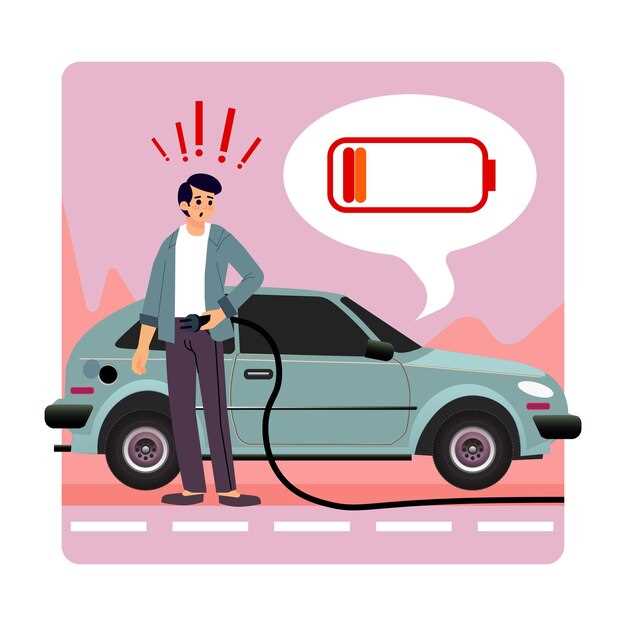
Understanding why your car battery keeps dying can save you time, money, and frustration. A failing battery is often the result of various faults within the vehicle’s electrical system. If your car battery frequently drains without obvious reasons, it’s essential to investigate and address the underlying issues.
One common reason for battery drain is the presence of faulty electrical components. Items such as lights, radios, or even onboard computers can malfunction, drawing power even when the vehicle is turned off. Identifying these faulty parts is crucial in preventing unexpected battery failures.
Another significant factor that contributes to battery drain is the age and condition of the battery itself. Over time, car batteries lose their ability to hold a charge, making them more susceptible to dying. Regular maintenance and testing can help you determine if your battery needs replacement before it leaves you stranded.
Additionally, extreme weather conditions can impact your battery’s performance. Both cold and hot temperatures can affect the battery’s ability to function efficiently, leading to increased likelihood of failure. Understanding these factors can help you take preventative measures to ensure your battery remains reliable.
Identifying Electrical Faults That Cause Battery Drain
Identifying electrical faults is crucial for diagnosing why your battery keeps dying. Several underlying issues may lead to excessive battery drain, and understanding these can save you time and money.
-
Parasitic Drain: This occurs when electrical components continue to draw power after turning off the vehicle. Common culprits include:
- Interior lights left on.
- Malfunctioning door switches.
- Faulty alarms or audio systems.
-
Short Circuits: A short circuit can happen when wires inadvertently make contact, causing an unexpected path for electricity. This can lead to rapid battery drainage and requires immediate attention.
-
Faulty Alternator: The alternator charges the battery while the engine runs. A failing alternator may not properly recharge the battery, leading to eventual failure. Signs include dimming headlights or electrical surges.
-
Corroded Connections: Rust or corrosion at battery terminals can increase resistance, preventing the battery from charging properly. Regular inspection and cleaning of the terminals can help maintain a good connection.
-
Old or Worn Out Battery: Over time, a battery may lose its ability to hold a charge effectively. Testing the battery health regularly can determine whether it needs replacement.
By systematically checking these potential electrical faults, you can identify the reasons behind battery drain and take appropriate measures to resolve the issue.
How Weather Conditions Affect Your Car Battery Life

Weather conditions play a significant role in the performance and lifespan of your car battery. Extreme temperatures, whether hot or cold, can create various faults in the battery’s functionality, impacting its ability to hold a charge and supply electrical power to your vehicle.
In cold weather, the chemical reactions inside the battery slow down, reducing its capacity. This means that a battery that works perfectly in warmer temperatures may struggle to start your car in the winter. Additionally, the thickening of engine oil in low temperatures increases resistance, placing extra strain on the battery during ignition.
Conversely, high temperatures can also be detrimental. Excessive heat accelerates the evaporation of the electrolyte solution within the battery, leading to a shorter lifespan. The increased heat can cause internal components to wear out faster and may even result in thermal runaway, where the battery’s temperature rises uncontrollably, potentially leading to failure.
Moreover, fluctuations between hot and cold weather can create conditions that stress the battery further. For instance, frequent temperature changes can cause the battery’s casing to expand and contract, leading to cracks or leaks, which compromise its performance.
Understanding how weather impacts your car battery is crucial for preventative maintenance. Regular checks, especially before seasonal changes, can help you identify potential issues, ensuring that your battery remains reliable and your vehicle stays operational.
Common Accessories and Components That Contribute to Battery Drain
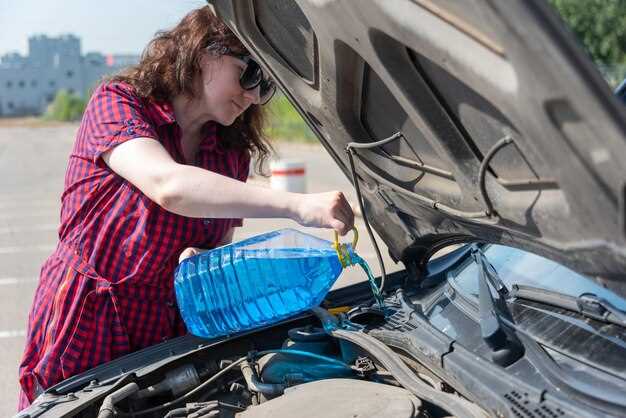
Several common accessories and components in a vehicle can significantly contribute to battery drain. Understanding these elements can help in preventing unexpected battery failures.
One of the primary culprits is the radio or infotainment system. If left on without the engine running, it can quickly deplete the battery’s charge. Modern systems often stay in standby mode, consuming power even when not in active use.
Another accessory is the interior lights. Frequently forgetting to turn them off when exiting the vehicle can lead to a dead battery. This includes dome lights, trunk lights, and map lights.
The use of GPS devices and mobile phone chargers can also drain the battery when the engine is off. These devices, when plugged in continuously, draw electrical power that can empty the battery over time.
Moreover, aftermarket alarm systems can put a strain on battery resources. While intended to enhance security, these systems may inadvertently lead to increased battery drain if not properly installed or maintained.
Power windows, sunroofs, and heated seats consume substantial electricity during operation. Frequent use of these features without the engine running can contribute to unnecessary battery depletion.
Lastly, the electrical system itself could have underlying issues, such as shorts or faulty components, which can cause parasitic battery drain. Regular diagnostics and inspections can help identify such problems before they lead to battery failure.